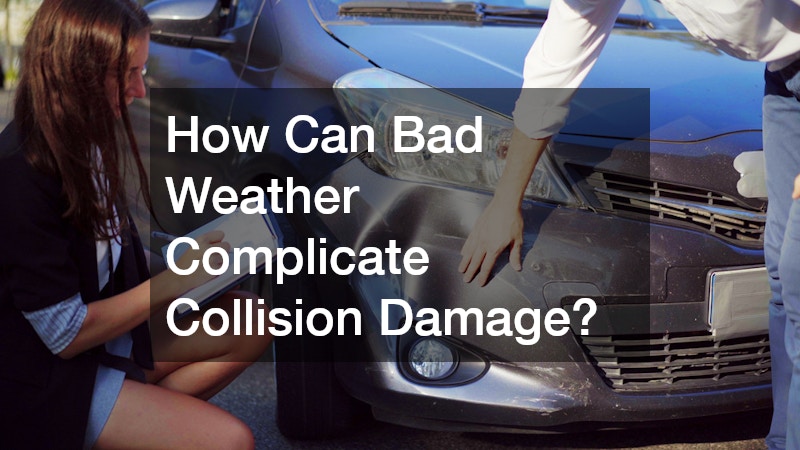
Car accidents are stressful enough on their own, but when bad weather comes into play, the consequences can become significantly more complicated. Rain, snow, ice, and even strong winds can not only increase the likelihood of collisions but can also worsen the damage inflicted on vehicles. From minor scratches to severe structural damage, weather conditions can transform a manageable repair into a long, costly ordeal.
Understanding how weather affects collision outcomes is critical for any car owner, especially those who want to maintain their vehicle’s value and safety. While a fender bender might seem minor on a clear day, the same incident in a heavy rainstorm or icy conditions can lead to hidden damage that isn’t immediately visible. Moisture, salt, and debris can exacerbate scratches, corrosion, and internal mechanical issues, potentially compromising the car’s long-term performance.
Moreover, poor weather can create additional safety hazards after a collision. Vehicles may be stranded in dangerous locations, or drivers might attempt emergency maneuvers that further damage the vehicle. These complications often require careful evaluation and repair planning, and in many cases, professional assistance becomes essential. Properly addressing all the factors that come into play during and after a weather-impacted accident ensures that your car is safe to drive again.
1. Rain and Water-Related Damage
Rain is one of the most common weather conditions that can complicate collision damage. When water gets into sensitive areas of a vehicle, it can accelerate rust formation on both the exterior and undercarriage. Even minor dents can trap water, causing paint to peel or metal components to corrode faster. If left untreated, these issues can undermine the structural integrity of the car over time.
Additionally, rain can affect electrical systems. Water may seep into areas containing wiring or sensors, potentially leading to short circuits or malfunctioning components. In many cases, professional auto repair is necessary to inspect and correct these issues safely. Technicians often perform a full assessment to detect hidden water damage that could affect the car’s performance long after the visible damage has been addressed.
Another factor to consider is that rainy conditions can make temporary repairs less effective. For example, tape or sealants used to cover cracked auto glass or minor body damage may not hold up under continuous exposure to water. Prompt professional evaluation, whether through auto glass replacements or comprehensive auto body services, ensures that minor damage does not escalate into more severe and costly problems.
2. Snow and Ice Complications
Winter weather brings its own unique challenges when it comes to collision damage. Snow and ice not only increase the risk of accidents but also exacerbate existing vehicle damage. Slippery surfaces can cause a collision to slide into additional impacts, affecting multiple areas of the car. This can transform a simple fender bender into a more serious event requiring extensive repairs.
Snow and ice can also infiltrate mechanical components, including brakes, steering systems, and suspension parts. Over time, trapped moisture can freeze and expand, leading to cracks, misalignment, or malfunctioning parts. Scheduling local tire alignment after a winter accident is essential to ensure that the vehicle handles correctly and that uneven wear does not compromise safety.
Furthermore, snow and ice can complicate access to repair services. Accumulated snow may prevent vehicles from being towed safely to auto collision shops, delaying inspections and necessary repairs. Auto engine repair may also be required if cold-related damage affects internal components. Taking proactive steps to protect the car and seek professional evaluation promptly reduces the risk of long-term issues.
3. Wind and Debris Damage
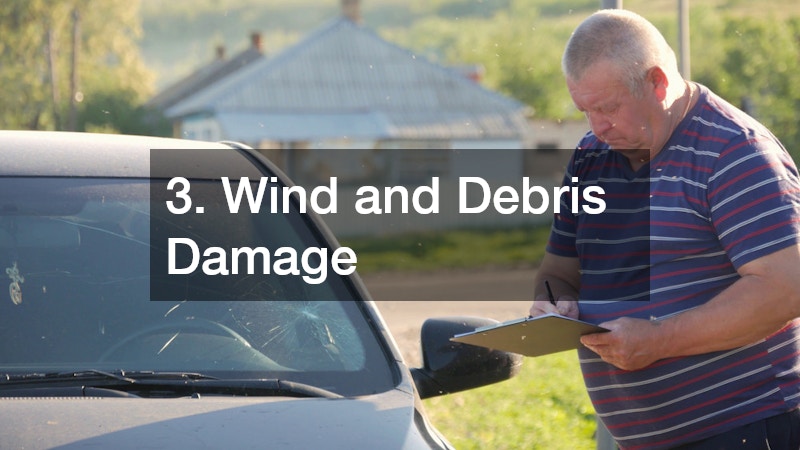
Strong winds may seem less immediately dangerous than rain or snow, but they can contribute to unexpected collision complications. High winds can push vehicles into stationary objects, scatter debris, or even exacerbate existing damage during an accident. This makes evaluating the full extent of the collision more complex.
Debris carried by the wind can strike the car, causing additional scratches, dents, or broken auto glass. Addressing these damages quickly is critical to prevent further deterioration. Auto glass replacements may be necessary if wind-driven debris cracks or shatters windows. Ignoring these issues can lead to compromised visibility and increased risk of future accidents.
Wind damage also often requires professional auto body services to restore the car’s exterior properly. Temporary fixes may not hold up under continuing exposure to elements, so timely intervention ensures long-term durability. Consulting experts familiar with both collision damage and environmental effects helps ensure that repairs are thorough and safe.
4. Temperature Extremes and Mechanical Stress
Extreme temperatures, whether hot or cold, can intensify collision damage in subtle ways. Heat can expand metals and weaken adhesives, causing cracks in panels or misaligned parts after an accident. On the other hand, extreme cold can make plastic brittle and exacerbate existing structural flaws. Both scenarios increase the likelihood that damage will worsen over time.
Mechanical components, such as engines or transmissions, are particularly sensitive to temperature extremes after a collision. Even minor damage can compromise fluid lines, seals, or moving parts. Consulting an automotive mechanical failure expert witnesses may be necessary in some cases, particularly when investigating unusual failures caused or worsened by environmental conditions.
Vehicles that have experienced temperature-compounded damage may also require auto engine repair to restore performance. Addressing these issues early prevents cascading mechanical failures and protects both safety and vehicle longevity. Homeowners should consider environmental factors when assessing post-collision damage to ensure that hidden problems are not overlooked.
5. The Role of Water Intrusion
One of the most insidious effects of weather-related collision damage is water intrusion. Rain, melting snow, or ice can infiltrate the cabin, engine compartment, or trunk, causing corrosion, mold, and electrical problems. This hidden damage is often missed in initial visual inspections and may only become evident after the car has been driven for some time.
Auto locksmith services may occasionally be required if water affects electronic locks or key fobs. Similarly, auto upgrades involving advanced electronic features can be compromised by water intrusion, leading to malfunctions. Professional assessment is crucial to identify all affected areas and prevent future hazards.
Water intrusion also complicates the work of auto collision shops. Technicians must ensure that all moisture is removed and that corrosion-prone areas are treated before repairs begin. Auto repair in these cases is not just about restoring the vehicle’s appearance but also about preserving safety and functionality.
6. The Impact on Tires and Suspension
Bad weather can also affect tire and suspension systems during collisions. Hydroplaning, icy patches, or debris can force vehicles to experience impacts at unusual angles, damaging tires, rims, or suspension components. Left unaddressed, these issues can reduce handling and increase the risk of further accidents.
Scheduling local tire alignment after a collision in adverse weather ensures proper handling and prevents uneven wear. Suspension damage may require additional auto repair services, and ignoring these problems can compromise safety. Lift kits may also be affected in vehicles equipped for off-road conditions, requiring careful inspection.
Even minor misalignments or suspension issues can increase wear on other components over time. Thorough evaluation and professional repair are essential to restore the vehicle’s driving dynamics and safety features. Properly addressing these problems also reduces long-term maintenance costs.
7. Structural Concerns and Body Damage
Collision damage can be complicated by structural issues that are worsened by bad weather. Moisture, freezing temperatures, or wind can stress already weakened panels and frames, leading to rust or cracking. Auto body services are critical to restoring structural integrity after a weather-impacted accident.
Auto glass replacements may also be required if windows or windshields have been cracked or shattered. Proper installation is necessary to maintain structural safety and protect occupants. Even seemingly minor cosmetic damage can hide deeper issues that affect the car’s crashworthiness.
Auto repair specialists can evaluate and repair frame damage, ensuring that the vehicle is safe to drive again. Addressing these structural concerns quickly is vital to prevent long-term deterioration or safety risks. This is particularly true for vehicles in regions with harsh weather conditions.
8. Electrical and Engine Considerations

Weather can have a significant impact on a vehicle’s electrical systems and engine components following a collision. Rainwater or melted snow may infiltrate engine compartments, affecting sensitive electronics and sensors. Auto engine repair is often required to correct these problems and prevent further damage.
Advanced auto upgrades, including electronic stability systems and onboard diagnostics, may also be compromised by moisture exposure. Electrical issues can lead to unpredictable performance or failure, making professional assessment essential. Ignoring these problems may result in costly repairs and potentially unsafe conditions.
Consulting automotive mechanical failure expert witnesses may be necessary in extreme cases to understand the root cause of engine or electrical failures. Proper evaluation ensures that repairs are accurate and that the vehicle’s long-term reliability is restored. Proactive attention to electrical and engine concerns can prevent cascading failures after an accident.
9. Choosing the Right Professionals
Weather-complicated collision damage often requires a range of specialized services to fully restore a vehicle to its pre-accident condition. Auto collision shops are uniquely equipped to handle these complex repairs, from exterior body work to intricate mechanical restoration. Choosing the right shop is crucial, as it ensures that all issues, both visible and hidden, are thoroughly assessed and addressed. A professional evaluation can uncover subtle damage caused by weather exposure, such as moisture infiltration, corrosion, or stress to structural components, which might otherwise be missed.
Auto repair professionals are able to coordinate multiple services efficiently, including local tire alignment, auto engine repair, and auto glass replacements. This comprehensive approach minimizes the risk of overlooked problems, allowing the car to be repaired correctly the first time. Certified technicians follow strict safety and industry standards, ensuring that the vehicle is not only aesthetically restored but also mechanically sound.
In some cases, auto locksmith services may be necessary if locks, keyless entry systems, or electronic security features are compromised during the collision. Vehicles with lift kits or other aftermarket auto upgrades may require specialized knowledge to maintain proper functionality and safety after repairs. Selecting skilled professionals who are experienced with these specific systems ensures that every aspect of the vehicle is restored thoroughly/
10. Preventing Future Weather-Related Damage
After a weather-complicated collision, vehicle owners can take proactive measures to prevent future issues and extend the life of their car. Regular auto body services, periodic inspections, and proper maintenance routines are essential to protect the vehicle from moisture, rust, corrosion, or mechanical failures that may develop over time. Addressing minor problems early helps avoid more extensive damage caused by exposure to the elements or hidden wear that worsens with each drive.
Scheduling local tire alignment checks and inspecting lift kits can ensure that handling, stability, and overall performance remain consistent, particularly for vehicles that are regularly exposed to harsh weather conditions. Timely auto repair, including engine servicing and auto glass replacements, should be completed promptly to prevent small issues from becoming long-term, costly problems. Even minor delays in addressing repairs can lead to cascading mechanical or structural failures over time.
Preventive care also plays a key role in preserving the vehicle’s resale value and reliability. Professional assessments by automotive mechanical failure expert witnesses or experienced auto collision shops can identify potential weak points or latent damage that might not be visible to the untrained eye. Consistent maintenance and professional oversight reduce the likelihood that minor issues will escalate into significant repairs, giving vehicle owners peace of mind and helping their cars perform safely and efficiently for years to come.
Bad weather can complicate collision damage in ways that are not immediately visible. Rain, snow, ice, and wind all increase the risk of hidden problems, including rust, mechanical failures, and electrical issues. Professional intervention is critical, from auto repair and auto engine repair to auto body services and auto glass replacements, to ensure vehicles are safe and functional after an accident.
Specialized services like local tire alignment, lift kits maintenance, and auto locksmith interventions may be necessary depending on the type of vehicle and collision. Working with trusted auto collision shops and consulting automotive mechanical failure expert witnesses when needed ensures all damage is addressed thoroughly.
By understanding the impact of weather and seeking timely professional help, vehicle owners can restore their cars safely, prevent long-term deterioration, and maintain driving confidence. Taking action early protects both your investment and your safety, making post-collision recovery a smoother, less stressful process.