Operating a motor vehicle on a daily basis is one of the most routine yet inherently risky activities in modern life. Whether you are navigating a congested morning commute, running errands across town, or embarking on a long-distance road trip, your vehicle is subject to continuous mechanical stress. At the same time, every minute spent on the road exposes you to unpredictable traffic dynamics, severe weather conditions, and the potential negligence of other motorists.
To navigate these challenges successfully, every driver must adopt a dual-pillar strategy that balances proactive vehicle maintenance with a thorough understanding of automotive legal rights. Neglecting the mechanical upkeep of your car not only leads to sudden, expensive breakdowns but can also compromise critical safety systems like brakes and steering, directly increasing your risk of a crash. Conversely, focusing solely on mechanics while ignoring the legal and administrative aspects of driving can leave you vulnerable to predatory insurance practices, costly traffic citations, and uncompensated medical expenses following an incident.
Establishing a Proactive Vehicle Maintenance Strategy
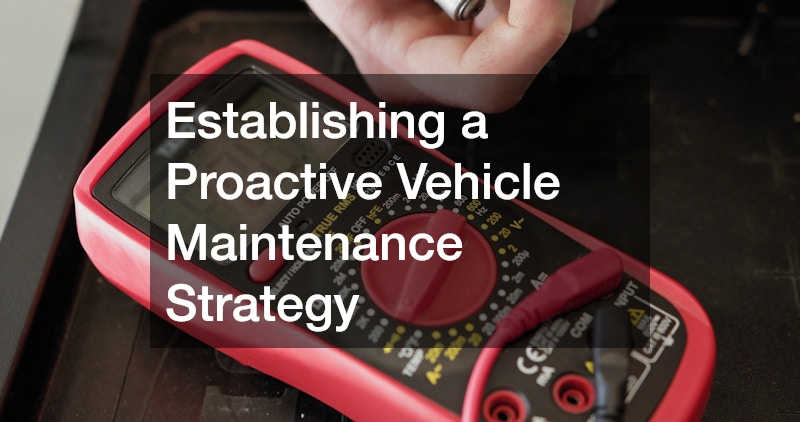
A proactive approach to vehicle maintenance is the cornerstone of safe, reliable driving. Many car owners fall into the trap of reactive maintenance—waiting until a dashboard warning light illuminates or a component fails before seeking professional help. Reactive maintenance is almost always more expensive, disruptive, and dangerous than adherence to a structured, preventative maintenance schedule.
Essential DIY Inspection Checklist
While complex mechanical repairs require professional equipment and expertise, every driver should perform basic monthly inspections to catch minor issues before they cascade into major system failures:
- Fluid Levels and Condition: Check your engine oil, automatic transmission fluid, engine coolant, power steering fluid, and brake fluid. Low or dark, gritty fluids indicate leaks, contamination, or thermal breakdown.
- Tire Pressure and Tread Depth: Inspect tire inflation levels using a calibrated gauge when the tires are cold. Look for uneven tread wear patterns, which often signal wheel misalignment, worn suspension bushings, or improper inflation.
- Belt and Hose Integrity: Examine serpentine belts for cracking, fraying, or glazing. Squeeze radiator hoses (when the engine is completely cool) to check for soft spots, bulges, or brittle sections.
- Brake System Responsiveness: Listen for high-pitched squealing or grinding noises during braking. Take note if the brake pedal feels soft, spongy, or vibrates under foot pressure.
- Lighting and Visibility: Confirm that all headlights, high beams, brake lights, turn signals, and windshield wiper blades are functioning at peak efficiency.
Choosing the Right Repair Facility
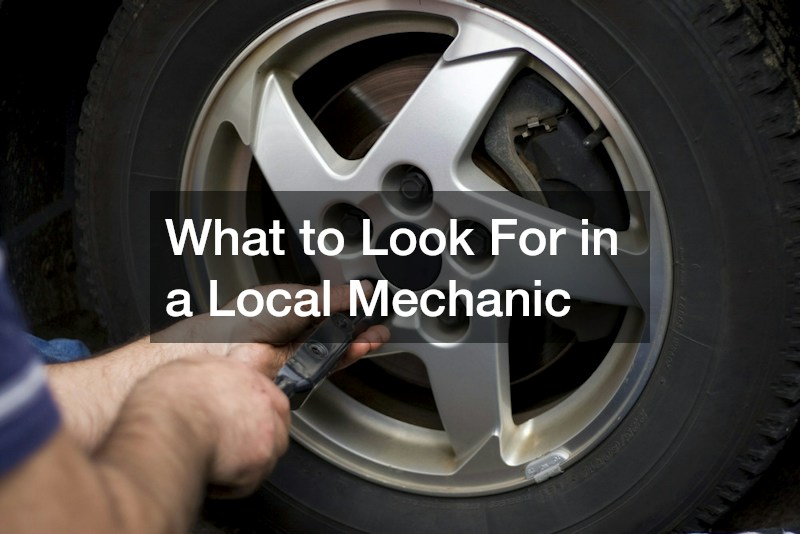
When major service or structural work is required, selecting a trustworthy repair shop is critical. Look for facilities that employ certified technicians, maintain clean and organized work bays, and offer written warranties on both parts and labor. Establishing an ongoing relationship with a certified center for local auto body repair ensures that your vehicle receives consistent care from technicians who understand its complete service history, especially after physical damage or alignment issues occur. You may also need a local scrap yard.
Maintaining an organized binder or digital archive of every service receipt, parts invoice, and inspection report is equally vital. Documented service records preserve your vehicle’s resale value, maintain factory warranty compliance, and serve as indisputable proof in court or insurance negotiations that your car was kept in optimal, roadworthy condition before any incident.
Navigating Complex Mechanical Diagnostics and European Engineering
As automotive technology rapidly evolves, modern vehicles have transitioned from purely mechanical machines to sophisticated, software-driven systems. Advanced driver-assistance systems, high-compression engines, complex direct-injection setups, and integrated electronic control units demand specialized diagnostic equipment and deep technical training.
The Demands of Precision Engineering
High-performance and luxury European imports are engineered with exceptionally tight tolerances and a unique architectural framework. These vehicles utilize proprietary communication protocols across their internal computer networks, meaning generic code readers often provide incomplete or misleading diagnostic information. Servicing these platforms requires specialized factory tooling and technicians who undergo continuous training on brand-specific service bulletins.
For instance, maintaining optimal performance and preserving the resale value of a high-end German sports car requires factory-approved fluid formulations, exact torque specifications, and specialized diagnostic software during routine Porsche service. Skimping on specialized care or using non-compliant aftermarket fluids in these precision engine bays can lead to premature timing chain wear, seal failures, and severe engine damage.
Similarly, sophisticated all-wheel-drive platforms, turbocharging setups, and air-suspension systems require targeted expertise. Utilizing a dedicated Audi repair service guarantees that sensitive component calibrations—such as steering angle sensor resets, adaptive cruise control realignment, and dual-clutch transmission fluid flushes—are performed exactly according to factory parameters.
Vehicle Customization, Aesthetic Protection, and Utility Upgrades
For many daily drivers, a vehicle is more than basic transportation—it is a mobile office, a family utility hub, or an expression of personal style. Enhancing a vehicle through aftermarket modifications and protective treatments can improve durability, functional utility, and long-term appearance when executed correctly.
Industrial-Grade Finishes for Metal Components
Everyday exposure to road debris, de-icing chemicals, brake dust, and moisture severely degrades metallic vehicle components over time. Factory paint on wheels, suspension arms, trailer hitches, and metal bumpers often chips and corrodes under harsh environmental stress.
Applying a high-durability automotive powder coating service provides a thick, electrostatically applied polymer shield that is far superior to traditional liquid paint. This curing process fuses a protective resin skin over the metal, creating an impenetrable layer that resists chipping, chemical corrosion, and UV fading. Coating vital exposed components helps maintain structural integrity and keeps your vehicle looking pristine despite harsh daily driving conditions.
Utility Enhancements and Practical Modifications
Truck, SUV, and crossover owners frequently modify their vehicles to increase cargo capacity, improve off-road capability, or protect high-wear areas:
- Bed Protection: Spray-in or drop-in bed liners prevent impact dents, scratches, and standing water from rusting the structural floor of utility beds.
- Tonneau and Bed Covers: Locking hard or soft covers secure cargo from theft and weather, while slightly improving aerodynamic drag during highway travel.
- Upgraded Lighting: LED fog lights and auxiliary driving lights improve visibility in heavy rain, fog, and rural driving environments.
- Heavy-Duty Towing Hardware: Upgraded hitches, trailer brake controllers, and transmission coolers prevent severe mechanical overheating when hauling heavy loads.
Adding high-quality truck accessories can significantly improve day-to-day usability and protect your vehicle’s interior and exterior from daily wear and tear. However, drivers must ensure that all functional modifications comply with state vehicle codes regarding bumper height, lighting color, tire coverage, and noise output.
Insurance Implications of Custom Modifications
Before making major physical or mechanical changes to your vehicle, contact your auto insurance provider. Standard auto insurance policies typically cover only factory-installed equipment. To ensure that expensive custom upgrades, specialized paint finishes, and aftermarket utility hardware are fully covered in the event of a crash, theft, or vandalism, you must add a specialized custom parts and equipment endorsement to your policy.
Post-Collision Action Plan: Restorations, Repairs, and Part Salvage
Experiencing a motor vehicle collision is an intensely stressful event. In the chaotic moments immediately following a crash, taking quick, methodical action is vital to protect the health of everyone involved, gather critical evidence, and set the stage for smooth insurance and physical vehicle recovery processes.
Immediate On-Scene Safety and Documentation Protocols
- Check for Injuries and Secure the Scene: Assess yourself, your passengers, and occupants of other vehicles for injuries. If safe to do so, move vehicles out of active traffic lanes, turn on hazard lights, and set up safety flares or triangles.
- Contact Emergency Services: Call 911 immediately to request medical responders and police personnel. A neutral police report is an essential piece of evidence in determining fault and processing legal claims.
- Document Everything Thoroughly: Use your smartphone to capture high-resolution photos and videos of all physical damage, license plates, road conditions, traffic control devices, skid marks, and environmental obstructions.
- Exchange Information Without Admitting Fault: Collect names, contact numbers, driver’s license details, insurance policy info, and vehicle registration data from all involved drivers. Stick strictly to factual statements when talking with officers and other parties; never apologize or speculate on fault at the scene.
Assessing Vehicle Damage and Navigating Repairs
Once emergency procedures are finished, focus shifts to assessing physical vehicle damage. Modern unibody vehicles are designed to absorb crash energy through engineered crumple zones. While this protects vehicle occupants, it often leaves hidden structural, alignment, or sensor damage beneath pristine-looking plastic bumpers.
Seeking comprehensive auto body services ensures that technicians strip down damaged areas, measure frame alignment using laser measurement systems, and replace compromised structural components with factory-certified parts. Never rush to accept an initial insurance settlement before a certified collision repair specialist completes a full tear-down inspection of your vehicle.
Protecting Your Legal and Financial Rights After an Accident

The financial fallout from a major car accident can be overwhelming. Between mounting emergency room bills, ongoing physical therapy costs, lost wages due to missed work, and vehicle replacement expenses, uncompensated collision damages can quickly cause severe financial distress.
Handling Insurance Adjusters
Shortly after an accident, representatives from the other party’s insurance carrier will likely contact you asking for a recorded statement or offering a quick, lump-sum settlement offer. Insurance adjusters are trained negotiators whose primary objective is to minimize financial payout for their employer.
Navigating Serious Physical Injury Claims
If you or your passengers sustain severe physical injuries in a crash, navigating the complex web of medical billing, insurance subrogation, and liability determination on your own is extremely difficult. Partnering with an experienced local personal injury lawyer levels the playing field. A skilled legal advocate conducts an independent investigation of the crash, secures traffic camera footage, interviews eyewitnesses, retains accident reconstruction specialists, and negotiates directly with insurance companies to ensure you receive full compensation for medical bills, pain and suffering, and lost earning capacity.
Complex Vulnerable Road User and Multi-Party Collisions
Accidents that involve motorcycles, bicycles, pedestrians, or commercial trucks present unique legal and investigative challenges. Motorcyclists, for example, are disproportionately vulnerable to severe injuries caused by negligent drivers turning left across oncoming traffic or failing to check blind spots during lane changes. You may need help from motorcycle accident attorneys as well.
Understanding Traffic Violations, Liability, and Driver Defense
Maintaining a clean driving record is crucial for preserving your driver’s license, avoiding costly court fines, and keeping your monthly auto insurance premiums affordable. Even a single moving violation conviction can trigger significant insurance rate hikes that persist for years.
The True Cost of Moving Violations
When issued a traffic citation for speeding, improper lane changes, running a red light, or distracted driving, many motorists simply pay the fine printed on the ticket. Paying the fine is legally considered an admission of guilt. This results in an immediate conviction on your driving record, the accumulation of license points, and inevitable insurance premium increases.
Before paying a ticket, research your legal options:
- Traffic School / Defensive Driving: Many jurisdictions allow drivers to complete an approved driver safety course to dismiss a ticket or hide points from their insurance company.
- Contesting the Citation: If the ticket was issued unfairly, due to faulty radar calibration, obstructed road signs, or emergency circumstances, contesting the charge in traffic court can lead to a dismissal or reduced non-moving charge.
- Pre-Trial Diversion Programs: First-time offenders can often participate in community service or probation programs to avoid a permanent conviction on their record.
Protecting Your Defense in Serious Traffic Charges
Certain traffic offenses go beyond basic civil infractions and carry severe criminal penalties, including mandatory driver’s license suspension, heavy court fines, community service, probation, and potential jail time. Driving Under the Influence (DUI) and Driving While Intoxicated (DWI) are among the most aggressively prosecuted traffic offenses in the nation.
An arrest for impaired driving triggers two separate legal proceedings: an administrative license suspension process with the state Department of Motor Vehicles and a criminal court case. Securing an aggressive, experienced DUI attorney as quickly as possible is essential to safeguarding your constitutional rights and driving privileges.
Using This Guide for Auto Repairs and Advice
Navigating the modern automotive landscape safely and confidently requires equal parts mechanical discipline and legal awareness. By prioritizing proactive maintenance, investing in specialized technical care for complex vehicle systems, protecting metal finishes, and choosing quality modifications, you preserve your car’s reliability, safety, and long-term monetary value.