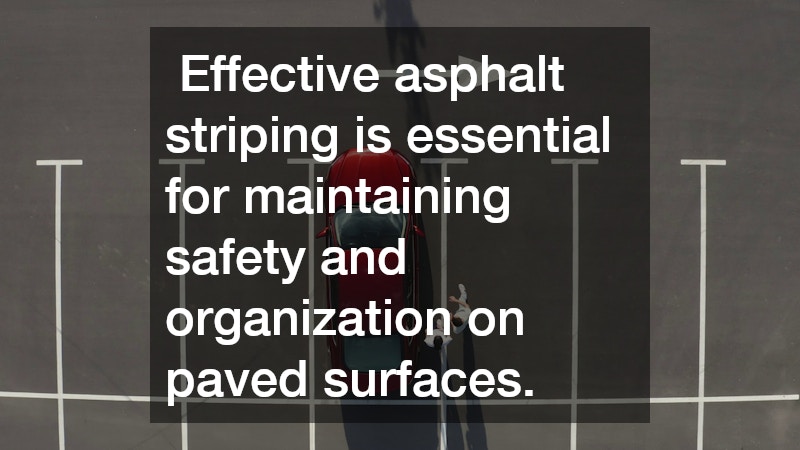
Asphalt striping is a crucial aspect of maintaining order and ensuring safety on paved surfaces such as roads and parking lots. Proper striping facilitates smooth traffic flow, delineates parking spaces, and contributes to overall road safety by providing clear visual cues.
Choosing the right materials and techniques for striping is essential, as they impact the visibility and longevity of the markings. Different environments and conditions demand different striping solutions to maintain effectiveness and compliance with regulations.
This article explores the best practices for asphalt striping, offering essential tips on material selection, surface preparation, restriping frequency, and ensuring maximum visibility. By adhering to these guidelines, you can enhance safety and functionality on paved surfaces.
What are the Best Practices for Asphalt Striping?
Choosing the Right Materials
The selection of striping materials is influenced by factors such as climate, expected traffic load, and budget. There are various types of paints and thermoplastic materials available, each offering different levels of durability and visibility.
For regions with extreme weather, it is advisable to use materials that withstand temperature changes and moisture exposure. Reflective paints and materials can greatly enhance visibility during adverse weather conditions or nighttime driving.
Ensuring that the chosen materials meet safety standards and are environmentally friendly is also vital. By carefully considering these factors, you can select an effective striping solution tailored to your specific needs.
Preparation of the Surface
Preparing the asphalt surface before striping is critical to achieving a long-lasting and effective result. It involves cleaning the area thoroughly to remove debris, dirt, and existing paint that could interfere with the new application.
Any damage, such as cracks or potholes, must be repaired to provide a smooth and even surface for the striping. A properly prepared surface ensures better adhesion of the paint or thermoplastic materials, leading to increased durability.
In addition to cleaning and repairs, it is important to ensure the surface is dry before applying any striping materials. Moisture can hinder the paint’s adhesion and effectiveness, reducing the lifespan of the striping.
How Often Should Asphalt Striping be Redone?
Factors Affecting Striping Longevity
The longevity of asphalt striping is influenced by a combination of environmental and usage factors. High traffic levels, for example, can quickly wear down the markings, necessitating more frequent restriping.
Weather conditions, such as heavy rainfall, freezing temperatures, or extreme heat, can degrade the striping materials over time. The quality of materials used also plays a significant role in determining how long the striping will remain effective.
Regular assessments should be conducted to evaluate the condition of the striping and identify any factors contributing to its degradation. Proactive maintenance can help extend the lifespan of asphalt striping, ensuring continued safety and visibility.
Recommended Timeline for Restriping
While the exact timeline for restriping can vary depending on usage and environmental conditions, there are general guidelines to follow. Typically, parking lots might require restriping every one to two years, depending on the traffic flow and weather impact.
High-traffic areas, such as roadways, might need more frequent attention, possibly requiring annual restriping to maintain clarity and compliance with safety standards. Visual inspections and regular maintenance checks can help determine the appropriate scheduling.
Ensuring that striping is visible and compliant with regulations is essential for safety. As such, keeping a regular maintenance schedule can prevent the striping from wearing down to the point where it is no longer effective.
How to Achieve Maximum Visibility with Asphalt Striping?
Optimal Striping Patterns
Different environments call for distinct striping patterns to maximize visibility and safety. In parking lots, clearly marked parking spaces and directional arrows can significantly enhance traffic flow and organization.
On roadways, well-defined lane markings and pedestrian crossings are vital for driver and pedestrian safety. The use of contrasting colors can improve visibility and ensure that the markings are easily recognizable from a distance.
Implementing standardized patterns also contributes to overall road safety by providing consistency in traffic indications. This helps reduce driver confusion and enhances the safety of both drivers and pedestrians.
Enhancing Night Visibility
One effective method for enhancing striping visibility at night is using reflective paints or beads. These materials are designed to reflect light, making the markings more visible to drivers during low-light conditions.
In addition to reflective materials, the implementation of adequate lighting systems can further improve visibility. Lighting aids in illuminating the pavement and striping, ensuring that markings are clearly visible even at night.
Combining reflective materials with sufficient lighting maximizes the visibility of asphalt striping, enhancing safety for night-time drivers and pedestrians. This dual approach ensures that the markings are effective regardless of the time of day or weather conditions.
Effective asphalt striping is essential for maintaining safety and organization on paved surfaces. By following best practices such as choosing the right materials, preparing the surface properly, and adhering to a maintenance schedule, you can ensure long-lasting and visible striping.