When planning to purchase a trailer from a local trailer dealer, there are several crucial aspects to consider ensuring you make the best choice for your needs. This article will guide you through three critical questions that potential buyers frequently ask when thinking about purchasing a trailer. Whether you are buying a trailer for recreation, transportation, or business purposes, selecting the right one can significantly impact your satisfaction and usability.
This article delves deep into the subject, providing you with insights and comprehensive analysis, which will help in making an informed decision. Collaborating with experts and experienced owners, the information shared here is compiled with accuracy and reliability. As you continue reading, keep in mind the keywords: trailer purchase considerations, appropriate trailer size, and trailer legal requirements.
What type of trailer best suits your needs?
Understanding the different types of trailers and their specific uses is essential in making an informed decision that matches your intended use and lifestyle. There is a broad range of trailer types, including utility trailers, enclosed trailers, and specialty trailers. Utility trailers are often open and are ideal for transporting furniture, landscaping equipment, and other large items. Enclosed trailers provide an added layer of protection against weather conditions, making them suitable for sensitive cargo, such as electronics and perishable goods. Specialty trailers are designed for specific purposes such as horse trailers, car haulers, or motorcycle trailers, each catering to unique needs.
Another factor to consider is the potential for growth and changes in your usage over time. Planning ahead and anticipating future needs can save you from needing to upgrade or change your trailer within a short time frame. Assessing your current and future requirements is crucial to ensure the trailer you purchase remains suitable as your needs evolve. Moreover, researching brand reputations and reading customer reviews can provide further insights into the reliability and performance of specific trailer types.
How do you determine the appropriate size for your trailer?
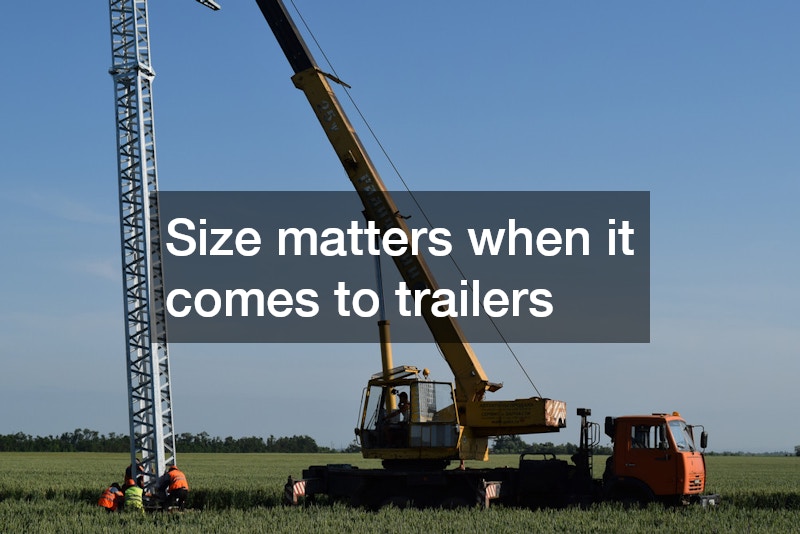
Size matters when it comes to trailers, and it’s important to consider the intended use, towing capacity, and space requirements to select the right size. The towing vehicle plays a significant role in determining the maximum trailer size you can safely use. Vehicles have specified towing capacities, which, if exceeded, can lead to increased wear and tear or unsafe driving conditions. Therefore, it is imperative to match the trailer size with your vehicle’s capabilities to avoid overloading and ensure safety on the road. Accurately calculating the total weight, including trailer and cargo, will help you stay within safe limits.
In addition to towing capacity, it’s important to consider the spatial needs related to your intended purposes. An oversized trailer might offer more capacity but can be more challenging to maneuver, park, and store. On the other hand, an undersized trailer can leave you short on space, potentially causing more trips or leaving necessary items behind. Evaluating the length, width, and height will ensure that you have the appropriate dimensions for your needs. Consider whether you may want extra space for potential future upgrades or if compact efficiency is more pertinent to your usage.
The type of goods you intend to transport will also influence the ideal trailer size. For example, if you’re hauling bulky items like furniture or construction equipment, you need to ensure there’s enough room for safe transportation. For perishable or fragile cargo, having a trailer that can maintain a controlled and secure environment is critical. An understanding of your cargo requirements helps prevent damage and maintains the condition of your transported goods. Ultimately, selecting the appropriate size requires being honest about your current needs while accounting for possible future demands.
What are the legal and safety requirements for trailer ownership?
Being knowledgeable about the legal requirements and safety regulations is crucial for responsible trailer ownership and ensuring a safe journey. One key aspect is ensuring that your trailer meets the regulatory standards set out by state and federal authorities. These regulations often include specifications on braking systems, lighting, and safety chains, which are essential for maintaining road safety. Additionally, there may be licensing requirements for drivers towing trailers of certain sizes or weights. Staying informed ensures compliance and helps avoid fines or penalties during road inspections.
Safety extends beyond administrative compliance and involves the physical upkeep of your trailer. Regular maintenance checks can prevent accidents caused by mechanical failures, such as tire blowouts or faulty brakes. Ensuring all connections and mechanical components of your trailer are in good condition is essential for roadworthiness. Investing in quality parts and timely repairs also enhances the longevity of your trailer and maximizes its resale value. Remember, neglecting maintenance can lead to more costly repairs over time and pose serious risks to you and other road users.
In conclusion, taking these considerations into account not only saves potential headaches and expenses but also enhances the satisfaction you gain from your trailer purchase. Remaining informed and proactive enables you to make the best decision tailored to your specific circumstances. Embrace the process, and the result will be a trailer that supports your adventures and projects for years ahead.