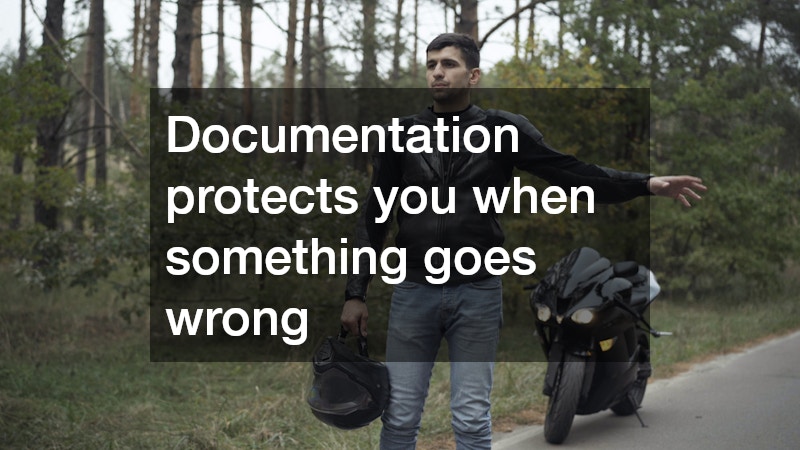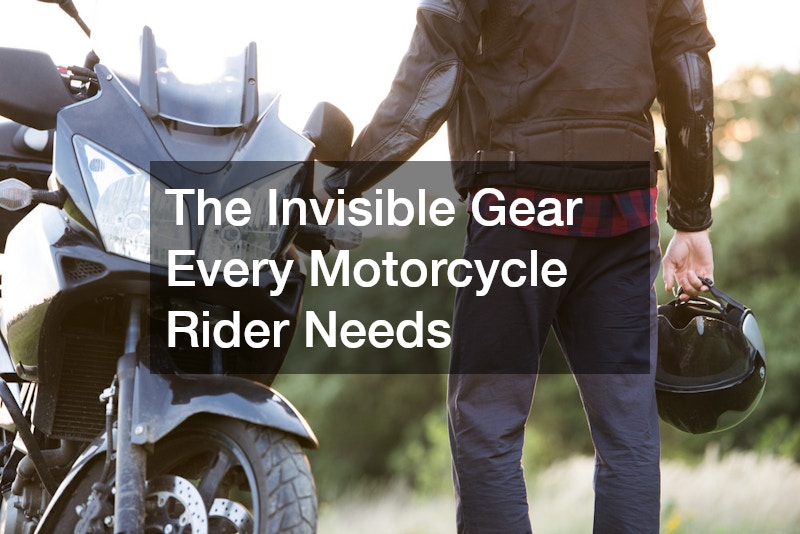
The rider moves with intention—helmet secured, jacket zipped, gloves pulled tight. It’s a familiar ritual, one that signals the start of another ride. Every piece of gear has a purpose, every step a layer of protection. But there’s another category of preparation most people never see. Beyond what you wear, there’s a different kind of protection—habits, documents, and tools—that travels with you in less obvious ways but matters just as much when it counts.
The Mental Gear: Habits and Mindset Before You Ride
The most effective protection starts before the engine turns over. A proper pre-ride check isn’t optional—it’s foundational. That means quickly but intentionally inspecting tires for pressure and wear, testing brakes, checking mirrors for alignment, and confirming that lights and signals are working. It takes a few minutes, but skipping it can turn a small issue into a serious problem on the road. Experienced riders treat this ritual as part of the ride itself, not an inconvenience.
Situational awareness is another layer of mental gear that separates seasoned riders from beginners. It’s the habit of constantly scanning—watching traffic patterns, anticipating lane changes, and identifying potential hazards before they develop. Where a new rider might focus narrowly on the lane ahead, a more experienced one reads the entire environment, including blind spots, road conditions, and driver behavior. This broader awareness reduces reaction time and creates more opportunities to avoid trouble altogether.
Equally important is knowing when not to ride. Fatigue, poor weather, or unfamiliar routes can all increase risk in ways that aren’t always obvious at first glance. The discipline to delay or cancel a ride isn’t a weakness—it’s judgment. Smart riders recognize their limits before the road forces the issue. That mindset alone can prevent situations that skill alone might not overcome.
The Paper Gear: Documents and Coverage That Protect You Off the Bike
While mental preparation protects you on the road, documentation protects you when something goes wrong. Every ride should include the basics: a valid license, current registration, and proof of insurance. Whether stored physically or digitally, these documents need to be accessible. In an emergency, first responders and law enforcement rely on clear, immediate information. Digital copies can be convenient, but it’s worth confirming they’re accepted in your state and can be easily retrieved without unlocking your phone.
Understanding your insurance coverage is just as critical as carrying proof of it. Many riders have policies in place, but aren’t fully clear on what they actually cover. Liability insurance handles damage or injury you cause to others, while collision covers repairs to your own bike after an accident. Uninsured or underinsured motorist coverage becomes essential if the other driver lacks adequate insurance. Medical payments coverage can help with immediate healthcare costs regardless of fault. These aren’t abstract terms—they directly affect what happens financially after an incident. A good conversation with your motorcycle insurance company should clarify exactly where you’re protected and where you might need to adjust your policy.
One area that often gets overlooked is roadside assistance. A disabled motorcycle presents a different challenge than a disabled car, especially in remote areas. Not every towing service is equipped to handle bikes properly, and waiting on the side of the road without a plan adds unnecessary risk. Having a dedicated roadside assistance option—either through your insurer or a third-party service—can make a significant difference. It’s a small investment that pays off the first time you actually need it.
The Digital Gear: Tools and Tech That Ride With You
Your phone can be one of the most valuable pieces of invisible gear—if it’s set up correctly. Start with the basics: offline maps ensure you’re not dependent on signal strength, especially in rural or mountainous areas. Emergency contact information should be accessible from the lock screen, allowing responders to reach someone quickly if needed. Many smartphones also include medical ID features that let you store critical health information. These are simple steps that take minutes to configure but can have a real impact in an emergency.
Beyond setup, there are apps specifically designed with riders in mind. Navigation apps tailored for motorcycles often prioritize scenic routes or minimize heavy traffic, improving both safety and enjoyment. Weather apps provide real-time updates that help you avoid dangerous conditions like sudden storms or high winds. Community-based platforms allow riders to share route insights, road hazards, and recommendations. Used strategically, these tools reduce uncertainty and help you make better decisions before and during a ride.
One of the simplest but most effective habits is sharing your ride plan. Let someone know your route, destination, and expected arrival time before you leave. It’s low-tech, but it creates a safety net. If something goes wrong and you don’t check in, someone knows where to start looking. In an activity where isolation can quickly become a risk factor, this small step adds a layer of accountability and protection that technology alone can’t replace.
The rider finishes gearing up—helmet, gloves, jacket—and pauses for just a moment longer. The visible checklist is complete, but the invisible one matters just as much. The habits are in place, the documents are ready, and the tools are set. Because the best riders don’t just prepare for the ride itself—they prepare for everything that could interrupt it. And that kind of readiness is what truly sets them apart.