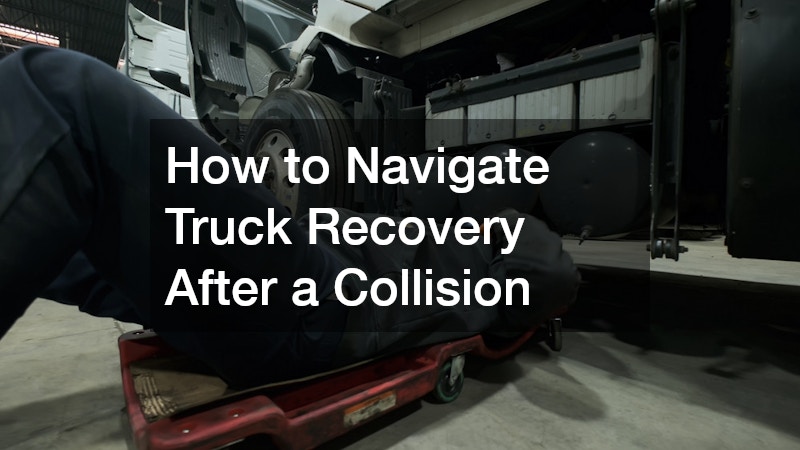
A truck collision can disrupt your schedule, damage your vehicle, and create questions about transportation, insurance, repairs, and documentation. Even a seemingly minor crash can affect the frame, suspension, glass, braking system, electronics, cargo area, and comfort features. Recovery works best when you slow the process down enough to make safe, documented decisions. Instead of rushing straight from the scene to a repair invoice, it helps to understand each step and how the order of those steps can influence the final outcome.
The goal after a collision is not just to get the truck moving again. It is to confirm that the vehicle is safe, roadworthy, properly documented, and repaired in a way that protects its long-term value. A structured recovery plan can reduce confusion and help you communicate more clearly with repair professionals, insurers, property owners, and anyone else involved. The following guide explains how to move from the first moments after a crash to the final stage of returning your truck to dependable use.
Stay Safe and Stabilize the Situation
Your first priority after a collision is safety. Move away from traffic if it is possible to do so without creating more risk, turn on hazard lights, and check whether anyone needs medical attention. If the truck cannot be moved, wait for emergency responders or qualified recovery personnel rather than trying to force it out of the roadway. A damaged truck may have leaking fluids, unstable cargo, broken glass, or hidden structural damage that makes movement unsafe.
If the collision happens in a parking lot, commercial yard, apartment complex, or business entrance, the vehicle may need to be removed without blocking access. In that situation, a private property towing service can help relocate the truck while respecting property rules and reducing congestion. Before the vehicle is moved, take photos of its position, the surrounding area, and any visible damage. Those images may help later when explaining what happened.
Once the immediate hazard is under control, gather essential information from the scene. Write down the time, location, weather conditions, road conditions, and names of involved parties. Exchange insurance and contact information when appropriate, and note whether there are witnesses or nearby cameras. These details can become difficult to reconstruct later, so collecting them early gives you a stronger foundation for the rest of the recovery process.
Document Damage Before Decisions Are Made
Thorough documentation helps prevent confusion during insurance claims and repairs. Photograph the truck from multiple angles, including the front, rear, sides, wheels, cargo bed, hitch, windshield, mirrors, lights, and interior. Take close-up photos of dents, cracked panels, broken lamps, fluid leaks, and deployed safety equipment. If cargo or tools were damaged, document those items separately. The more complete your records are, the easier it is to discuss the damage with professionals.
If there are injuries, disputed fault, major property damage, or a commercial vehicle involved, speaking with a truck accident attorney may help you understand what information to preserve. Legal questions can become more complicated when multiple drivers, employers, insurers, or property owners are connected to the collision. Keep copies of police reports, medical records, repair estimates, towing paperwork, and communications. Organized records can make follow-up conversations more efficient.
Documentation should also include how the truck behaves after the impact. If it pulls to one side, vibrates, leaks, smells unusual, or makes new noises, write those symptoms down. Do not assume a truck is safe because the body damage looks limited. Collisions can bend suspension components, affect sensors, loosen mounts, and disturb systems that are not visible during a quick walkaround.
Get a Professional Mechanical Assessment
After the vehicle is removed from the scene, schedule local auto repairs with a shop that can inspect both visible and hidden damage. A collision assessment should not focus only on panels and paint. The technician may need to check steering, suspension, tires, wheels, alignment, braking components, lighting, sensors, frame measurements, and fluid leaks. A complete inspection helps determine whether the truck should be driven, repaired immediately, or held for further evaluation.
Glass damage deserves prompt attention because visibility affects safe driving. Cracked windshields, shattered side windows, damaged mirrors, and compromised seals can expose the cabin to weather and reduce driver awareness. Reputable auto glass companies can evaluate whether replacement or repair is appropriate and whether camera or sensor calibration is needed. This step is especially important in newer trucks with advanced driver-assistance features.
The braking system should be reviewed before the truck returns to normal use. Even if the pedal feels familiar, an impact can damage brake lines, wheel assemblies, calipers, rotors, or electronic controls. Scheduling brake repair services after a collision is a safety-focused decision, not just a maintenance task. A qualified technician can confirm whether the truck can stop evenly and predictably under real driving conditions.
Address Visibility and Driver-Control Systems
Collision recovery should include a careful look at everything the driver relies on to see, steer, and control the truck. Headlights, taillights, turn signals, backup cameras, blind-spot sensors, mirrors, and wipers may be damaged or misaligned. A truck with working body panels but poor visibility is still not ready for daily use. Repairs should restore the driver’s ability to see the road and communicate with surrounding traffic.
Some owners also use the repair period to revisit window tinting, especially if glass replacement is already part of the job. New tint may improve comfort and reduce glare, but it should comply with applicable visibility laws and avoid interfering with sensors. The best timing is usually after the glass work is complete and the replacement surfaces are ready. That sequence helps prevent paying for work that must be removed or repeated.
Driver-control systems should be tested after structural or wheel-area impacts. A small change in alignment can make the truck harder to control, especially while braking or towing. Steering response, tire wear, vibration, and warning lights all deserve attention before the truck is considered recovered. A clean exterior repair does not mean much if the vehicle no longer handles correctly.
Restore the Body, Finish, and Interior Comfort
Body repairs should protect both appearance and structural integrity. Dents, scratches, torn bumpers, damaged beds, and loose trim can expose metal to moisture and corrosion. Repairing these problems promptly helps preserve the truck’s value and prevents small defects from spreading. When reviewing an estimate, ask which parts will be repaired, replaced, refinished, or blended so you understand the expected result.
After paint or bodywork is complete, car ceramic coating may be worth considering for owners who want extra surface protection. It can help the finish resist some contaminants and make routine cleaning easier, which is useful if the truck is frequently exposed to road grime, job sites, or long commutes. This upgrade should be timed correctly because fresh paint may need to cure before protective products are applied.
Interior comfort also matters after a collision. Airflow, temperature control, dashboard electronics, seat tracks, door seals, and cabin filters can be affected by front-end or side impacts. If vents stop working correctly or the system blows warm air when it should cool, AC repair should be added to the recovery list. Comfort issues may seem secondary at first, but they can make the truck harder to use every day.
Coordinate Specialized Recovery Needs
Some collisions affect more than the truck itself. If a vehicle strikes a shed, loading dock, fence, sign, garage, or small structure, a local demolition company may be needed to remove unsafe debris. Property-related cleanup should be handled carefully so unstable materials do not create additional hazards. This step can also help property owners document damage for their own records.
Trucks that were pulling campers, trailers, or recreational equipment may require additional inspections beyond standard vehicle repair. RV repair shops can assess damaged trailer bodies, utility connections, hitches, appliances, seals, and leveling components. Even if the truck appears to be the main concern, towing equipment and attached units should not be overlooked. A weak hitch or damaged trailer frame can create serious risks on the next trip.
In some cases, recovery involves scheduling several providers in the right sequence. The truck may need towing, inspection, glass work, mechanical repair, body repair, detailing, and final testing. Keeping one shared folder for estimates, invoices, photos, and approvals helps you track what has been completed. It also makes it easier to notice whether two providers are giving conflicting recommendations.
Sequence Repairs to Avoid Wasted Time
Repair order matters because one incomplete step can interfere with the next. Mechanical and structural concerns should usually be addressed before cosmetic work, especially if the truck may be declared unsafe or uneconomical to repair. A shop handling local auto repairs should confirm the vehicle’s core systems before you invest in appearance upgrades. This prevents money from being spent on refinishing a truck that still has unresolved safety problems.
The same logic applies to braking concerns. If the truck was hit near a wheel, axle, or suspension point, brake repair services should happen before final alignment checks and road testing. A braking issue can change how the truck feels during diagnostics and may affect other repair recommendations. Putting safety-critical systems first helps create a cleaner path through the rest of the process.
Specialized vehicles and towing setups may need more planning than a standard pickup. RV repair shops often schedule different types of technicians depending on whether the damage involves structure, electrical systems, plumbing, seals, or appliances. If the truck and trailer are part of the same claim, coordinate inspections so both are evaluated before travel resumes. This helps avoid discovering trailer-related problems after the truck has already been cleared.
Prepare for Insurance, Liability, and Records
Insurance communication is easier when your records are complete and your repair sequence is clear. Keep claim numbers, adjuster names, shop contacts, estimates, supplements, photos, rental receipts, and towing documents in one place. Ask repair providers to explain damage in plain terms, especially when hidden issues are discovered after teardown. Clear explanations help you understand why a repair is needed and whether it relates to the collision.
If the crash creates ongoing disputes, major injuries, lost income, or questions about commercial liability, a truck accident attorney can help identify which records may be important. This does not mean every collision becomes a legal matter, but complicated crashes require careful documentation. Avoid discarding damaged parts, deleting photos, or relying only on verbal updates when the outcome is uncertain.
Property access and storage fees can also become part of the recovery picture. A private property towing service may be involved when a truck is blocking a business, residential lot, or restricted area. Confirm where the vehicle is being taken, who authorized the move, and what documentation is available. Towing and storage paperwork should be preserved with the rest of the claim file.
Protect the Truck After It Returns to Service
When the truck is finally repaired, do a careful handoff review before considering the recovery complete. Walk around the vehicle in good lighting, test windows and locks, check warning lights, inspect panel gaps, and review the repair invoice. Ask whether there are warranties on parts, labor, glass, paint, or calibration. A good final review gives you a chance to address concerns before you resume normal driving.
Appearance-related upgrades should be evaluated after the essential repairs are finished. If the collision involved body refinishing, car ceramic coating may fit into a longer-term protection plan once the repaired surfaces are ready. The value of this type of investment depends on how the truck is used, stored, and maintained. Work trucks, commuter trucks, and recreational trucks may have different needs.
Glass and visibility should also be rechecked after the truck has been driven for a short period. If you notice wind noise, leaks, distortion, or warning messages from camera-based safety features, contact auto glass companies for follow-up. Some problems only become obvious after rain, highway speeds, or repeated door use. Prompt follow-up can prevent a small installation issue from becoming a larger inconvenience.
Comfort systems deserve the same attention during the return-to-service period. If the truck was repaired after a front-end collision, AC repair may become necessary if the condenser, lines, electrical connections, or fans were affected. Cooling problems can show up after the vehicle has been driven in heat or stop-and-go traffic. Monitoring performance for several days helps confirm that the truck is truly ready for regular use.
Legal and visibility upgrades should be handled with long-term usability in mind. If you plan on window tinting after glass replacement, confirm the darkness level, reflectivity, and placement rules before scheduling the work. This prevents compliance problems and helps maintain safe visibility in low-light conditions. A comfortable truck should still be practical and safe for everyday driving.
If property damage remains after the vehicle is repaired, coordinate cleanup separately from truck service. A local demolition company may be needed when damaged structures, concrete, signage, or debris cannot be safely removed by the property owner. Handling that work promptly can reduce safety risks and help close out the recovery process. Keeping those records separate but organized can also make insurance discussions clearer.
Move Forward With a Practical Recovery Plan
Truck recovery after a collision is a sequence of safety checks, documentation, professional inspections, repairs, and follow-up reviews. The process can feel stressful, but it becomes more manageable when each decision has a clear purpose. Start with immediate safety, preserve evidence, move the vehicle properly, and address mechanical concerns before cosmetic improvements. This approach helps you avoid rushed decisions and gives the truck a better chance of returning to dependable use.
The best recovery plan also accounts for how the truck fits into your daily life. A personal pickup, work truck, towing vehicle, or recreational travel setup may require different inspections and priorities. By staying organized, asking repair providers clear questions, and confirming that each system works as intended, you can move from collision damage to restored confidence. Careful recovery is not just about fixing what is broken; it is about making sure the truck is safe, functional, and ready for the road ahead.