Taking care of a vehicle is easier when you treat it as an ongoing responsibility instead of a reaction to breakdowns. A dependable car, truck, or motorcycle depends on many connected systems, including tires, brakes, fluids, glass, exterior protection, storage, and the surfaces it travels across every day. Each part influences the others in ways drivers may not notice immediately. Small maintenance decisions also affect comfort, safety, appearance, and long-term repair costs. The strongest plans are practical, consistent, and easy to repeat.
A comprehensive approach does not mean doing everything at once. It means knowing what to check regularly, what to schedule seasonally, and what to address before a minor issue becomes a larger one. The following steps cover practical ways to protect your vehicle, plan repairs thoughtfully, and keep your transportation ready for daily driving, work demands, or recreational use.
Good vehicle care also requires separating routine attention from avoidable delay. Some tasks are simple observations, such as noticing a new sound or checking whether tread is wearing evenly. Other tasks call for professional diagnosis because modern vehicles rely on connected mechanical, electrical, and computerized systems. Treating maintenance as a planned habit helps owners avoid guesswork and respond with better timing and clearer priorities.
1. Follow a Maintenance Schedule That Fits Real Driving
A maintenance schedule should reflect how the vehicle is actually used. A car that sits in stop-and-go traffic, a truck that hauls equipment, and a motorcycle used mainly on weekends all face different wear patterns. The owner’s manual gives a useful baseline, but mileage, climate, road quality, and driving habits should shape how closely each service interval is followed.
A written checklist can make the schedule easier to follow. Owners can note mileage, dates, symptoms, recent repairs, and upcoming needs in one place instead of relying on memory. The record does not need to be complicated; it only needs to be consistent. Over time, that history helps reveal patterns, prevents repeated guesswork, and makes conversations with repair professionals more efficient.
Powertrain care deserves special attention because delayed service often affects performance before a complete failure appears. If shifting feels rough, acceleration hesitates, or fluid appears dark or burnt, scheduling a transmission repair service gives a technician the chance to identify wear, leaks, or internal problems early. Waiting until the vehicle cannot move usually leaves fewer repair options.
2. Keep Fluids, Filters, and Comfort Systems Current
Fluids and filters help regulate temperature, reduce friction, support braking, clear contaminants, and protect major components. Oil, coolant, brake fluid, power steering fluid, and washer fluid should be checked consistently rather than only before long trips. Clean filters also matter because restricted airflow can reduce efficiency, affect cabin comfort, and make the engine work harder than necessary.
Climate control is more than a convenience during extreme weather. Routine AC services help keep the cabin comfortable, support defogging, and reveal issues such as low refrigerant, worn belts, weak airflow, or electrical faults. Addressing those concerns before the hottest part of the year helps prevent uncomfortable drives and reduces the chance of stressing related components.
3. Check Tire Condition Before Problems Become Obvious
Tires influence braking distance, steering response, fuel efficiency, and ride quality. Drivers should check tread depth, air pressure, sidewall condition, and uneven wear at regular intervals. Uneven tread may point to alignment or suspension concerns, while repeated pressure loss may indicate a slow leak, damaged valve stem, or wheel issue that deserves attention.
Replacing worn tires is not just about passing an inspection or improving appearance. New tires help restore traction, improve wet-weather control, and give the vehicle a stronger contact patch with the road. Selection should account for climate, driving style, load requirements, and whether the vehicle needs all-season, performance, touring, or heavier-duty tire options.
4. Protect Visibility and Glass Integrity
Clear visibility is a basic safety requirement, but glass issues are easy to ignore when the vehicle still feels driveable. Small chips, spreading cracks, worn wiper blades, damaged mirrors, and weak washer spray all affect the driver’s ability to respond quickly. A small obstruction can become more dangerous at night, in rain, or during bright glare.
Professional windshield services are worth scheduling when chips, cracks, seal concerns, or visibility problems appear. A minor repair may prevent a crack from spreading, while a replacement may be necessary when the damage compromises the driver’s line of sight or the glass structure. Prompt attention also helps keep safety systems and visibility features functioning as intended.
5. Pay Attention to Ride Quality and Steering Feel
A vehicle often communicates suspension and steering problems through the way it feels. Pulling to one side, excessive bouncing, clunking noises, vibration, or uneven tire wear can all suggest that something underneath the vehicle needs inspection. Ignoring those warning signs may reduce control, increase tire wear, and make everyday driving less predictable.
Timely auto suspension repairs help preserve handling, comfort, and stability. Components such as shocks, struts, control arms, ball joints, and bushings wear gradually, so problems may develop slowly enough that the driver adapts without realizing it. A professional inspection can separate normal aging from a repair need that affects safety or tire life.
6. Protect the Exterior From Sun, Dirt, and Road Debris
Exterior care preserves more than appearance. Paint, trim, wheels, lights, and underbody areas face sunlight, road salt, insects, sap, dust, and chemical residue. Regular washing removes contaminants before they bond to surfaces, while careful drying reduces water spots. Protective treatments also make future cleaning easier when they are applied correctly and maintained consistently.
Local car ceramic coatings can be useful for drivers who want a longer-lasting layer of paint protection than wax typically provides. A coating does not make a vehicle damage-proof, but it can help resist grime, make washing easier, and maintain gloss when paired with proper care. Surface preparation remains important because coatings tend to lock in whatever condition exists underneath.
Work vehicles need their own exterior strategy because they often collect heavier grime. Scheduled truck washes remove mud, salt, construction dust, fuel residue, and road film that can dull finishes or hide developing damage. Consistent cleaning also keeps company vehicles more presentable and gives owners a chance to spot dents, corrosion, loose trim, or lighting issues.
7. Respond Early to Performance Changes
Performance changes should be documented instead of dismissed. A new smell, warning light, delayed start, vibration, fluid spot, or temperature swing gives useful information about what may be happening. Writing down when the issue occurs, whether the engine is warm, and what speed or condition triggers it can help a technician narrow the cause.
A second reason to address drivetrain concerns early is budgeting. A transmission repair service may range from a fluid-related correction to more involved internal work, so timing affects both diagnosis and cost. Early evaluation gives the owner a clearer path before wear spreads or a minor symptom turns into an urgent repair.
Comfort problems can also signal mechanical or electrical issues. Weak cooling, unusual noises when the blower runs, musty odors, or inconsistent temperature control may justify AC services even outside peak summer months. A well-timed visit can identify leaks, clogged drains, failing fans, or controls that need attention before the system is under heavier seasonal demand.
8. Include Motorcycles in the Same Care Plan
Motorcycles need the same disciplined attention as cars and trucks, but the risk margin is often smaller because the rider is more exposed. Tires, brakes, lights, chains or belts, suspension, fluids, and battery condition should be checked before rides and after long storage periods. Weather, vibration, and seasonal use can all change maintenance needs.
Harley motorcycle repair should be handled with attention to the bike’s model, usage, and riding conditions. Warning signs such as hard starting, brake noise, clutch changes, fluid leaks, unusual vibration, or rough idle deserve careful evaluation. A motorcycle that feels slightly different may be communicating something important before a larger failure develops.
9. Create a Better Place to Park and Store Vehicles
Where a vehicle is parked affects how well it ages. Constant exposure to sun, hail, tree sap, moisture, and debris can shorten the life of paint, rubber, seals, upholstery, and trim. Covered parking also makes routine checks more practical because owners are more likely to inspect a vehicle when the space is dry, lit, and accessible.
Garage buildings are valuable when they are planned around vehicle size, storage needs, ventilation, door clearance, and future use. A good structure can protect vehicles from weather while also creating space for tools, seasonal tires, cleaning supplies, or motorcycles. Storage design should support maintenance rather than simply shelter the vehicle.
The surface around the storage area matters as well. Poorly maintained pavement can create potholes, loose aggregate, puddles, and uneven transitions that stress tires and suspension. Reliable asphalt companies can help improve driveways, parking areas, and access lanes so vehicles are not repeatedly exposed to rough surfaces before they even reach the road.
10. Budget for Wear Items Before They Become Emergencies
A practical vehicle budget should include predictable wear items. Tires, brakes, batteries, wipers, belts, hoses, filters, bulbs, and fluids all have service lives, even when nothing is visibly wrong. Setting money aside for these needs reduces the pressure to delay maintenance and helps owners make better choices when replacement time arrives.
Planning ahead for new tires is especially useful because it allows time to compare load ratings, seasonal needs, tread patterns, and warranty terms without rushing. A driver who waits until cords show or traction disappears may have fewer options available. Tire replacement should be treated as a safety investment, not a cosmetic upgrade.
The same planning mindset applies underneath the vehicle. Auto suspension repairs are easier to manage when owners respond to early symptoms rather than waiting for major handling concerns. Budgeting for inspections after pothole impacts, curb strikes, or repeated rough-road driving helps keep repair decisions proactive and tied to real conditions.
11. Build an Annual Vehicle Care Review
An annual review turns scattered maintenance into a complete plan. Owners can look back at what was repaired, what was postponed, what is wearing faster than expected, and what seasonal needs are coming next. This is also a good time to organize receipts, check warranties, review mileage, and note any patterns in repair history.
Visibility should be part of that yearly review. Windshield services may be needed after winter driving, gravel exposure, storm damage, or repeated temperature swings. Even small glass damage should be evaluated before it spreads, and wipers should be replaced when they chatter, streak, or leave sections of the glass unclear.
Exterior protection also fits naturally into annual planning. Local car ceramic coatings may be considered before harsh sun, salty roads, or frequent washing cycles take their toll. The timing should account for paint condition, surface correction needs, and whether the owner is prepared to maintain the coating properly after application.
Cleaning frequency deserves a seasonal review for larger vehicles. Truck washes may need to happen more often during muddy work periods, winter salt exposure, or heavy road construction seasons. Adjusting the schedule to real use keeps the vehicle cleaner, makes inspections easier, and supports a more professional appearance when the truck is used for business.
The broader property around the vehicle should be reviewed at the same time. Asphalt companies can address uneven surfaces, drainage problems, cracking, and worn parking areas that contribute to rough vehicle use. Better pavement supports smoother entry and exit, reduces standing water, and helps protect tires, suspension, and undercarriage components over time.
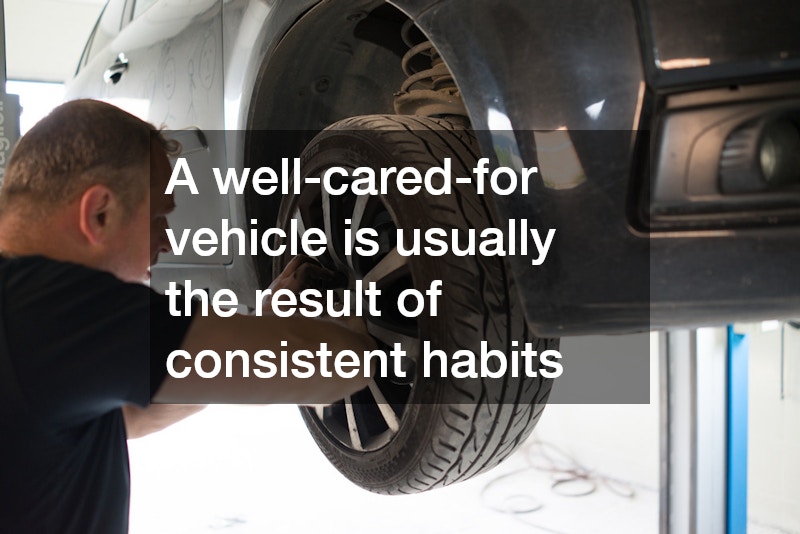
A well-cared-for vehicle is usually the result of consistent habits rather than one large repair. Checking small issues, planning for wear, protecting the exterior, improving storage, and responding to performance changes all work together. When maintenance is organized around real use, the vehicle stays safer, cleaner, more comfortable, and more reliable throughout its service life. The same approach also makes ownership feel less reactive because each decision fits into a clear, manageable care plan.