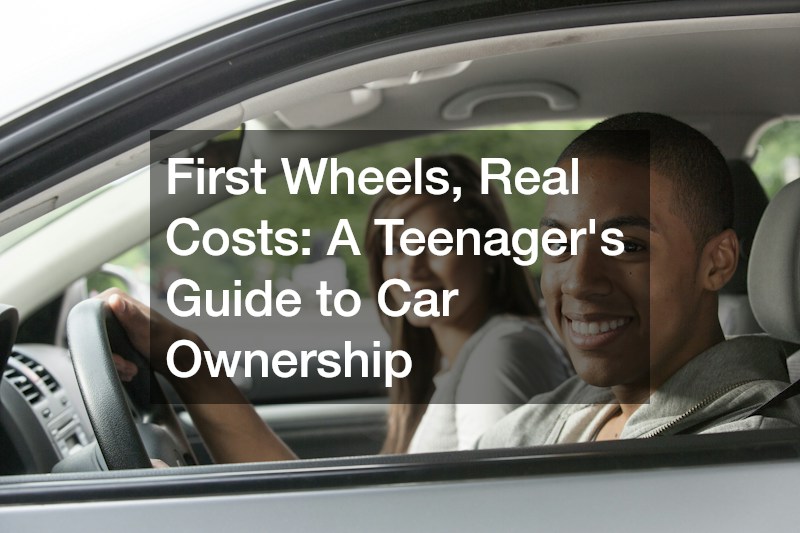
There is nothing quite like holding your first set of ignition keys. For any teenager, sliding into the driver’s seat of an automobile represents personal autonomy, freedom from school bus schedules, and the ability to chart an independent course through the world. It is a milestone celebrated with social media posts, late-night drive-thru runs, and spontaneous weekend road trips with friends.
Understanding these variables is not meant to dampen the excitement of gaining your independence; rather, it provides the roadmap needed to keep that independence sustainable. A neglected mechanical issue can quickly wipe out an entire summer’s worth of part-time wages, just as an unforeseen bump in insurance coverage can strain household finances. By learning how to budget proactively, diagnose mechanical issues early, and make informed choices when negotiating with service providers, you can ensure that your hard-won set of wheels remains an asset instead of a financial trap. Here is the realistic, detailed guide to navigating the actual costs of owning and maintaining your first automobile.
Mastering the Initial Purchase Without Draining Your Savings

Acquiring your first vehicle requires looking far beyond the promotional pricing displayed on vehicle windows or digital listings. First-time buyers often focus on the monthly payment or a low asking price while disregarding title fees, registration levies, documentation fees, state inspections, and immediate post-purchase updates. To determine what you can realistically afford, use the standard 20/4/10 budgeting framework: put down at least 20 percent in cash, finance the balance for no longer than four years, and keep total operating costs—including payments, fuel, and premiums—under 10 percent of your gross income.
When browsing inventory, decide early whether to buy through a private seller or an established business. Independent sellers often list cars for less, but they rarely offer warranties or vehicle condition assurances. Conversely, walking the lot of a local used car dealership can provide certified pre-owned selections, established vehicle histories, and financing resources designed for buyers with limited credit history. When inspecting inventory at any lot, keep these actionable strategies in mind:
-
Review the Comprehensive History Record: Run every potential candidate through a verified reporting service using the 17-digit Vehicle Identification Number (VIN). Check for past salvage titles, airbag deployments, hail damage, odometer rollbacks, and multiple registrations across disparate states.
-
Inspect the Critical Wear Points: Walk around the vehicle on dry pavement during full daylight. Look for uneven tire wear across the tread width, mismatched body panel gaps that suggest previous impact rebuilds, and fresh fluid stains beneath the engine bay. Pull the oil dipstick: oil should look clear amber to deep brown, not frothy or milky, which indicates a blown head gasket.
-
Audit the Auxiliary Accessories and Hardware: Check every power window, climate control vent, wiper setting, and trunk latch. Pay close attention to how many operational fobs accompany the sale. If a previous owner lost the secondary key, factor in the cost of car keys replacement immediately. Modern transponders and smart proximity remotes must be electronically paired to the vehicle immobilizer, an expense that can easily set you back two to four hundred dollars if not addressed before driving off the lot.
Taking your time during this procurement phase insulates you from buyers’ remorse. Bring a trusted family member or an experienced driver with you, insist on a cold-start test drive, and never sign a purchase agreement under time pressure.
Establishing a Proactive Preventative Maintenance Regimen
Once a vehicle is officially titled in your name, regular preventative maintenance becomes your best defense against catastrophic out-of-pocket expenses. Modern internal combustion engines and hybrid drivetrains rely on closely matched tolerances. Neglecting a basic fluid flush or ignoring a minor leak can trigger an avalanche of internal component friction, converting a minor maintenance job into an engine teardown that exceeds the resale value of the car.
Preventative care is divided between simple tasks you can easily handle at home and comprehensive mileage inspections requiring calibrated tools. Establishing an ongoing relationship with an independent car repair shop ensures your vehicle receives consistent oversight from technicians who understand its mechanical history. Before booking your vehicle in for work, adopt these basic operational habits:
-
Conduct a Bi-Weekly Fluid Sweep: Open the hood every other weekend when the engine is completely cold. Check the engine oil, engine coolant overflow reservoir, brake fluid reservoir, and power steering levels. Never open a radiator cap on a warm engine. Keep a spare bottle of manufacturer-approved motor oil and pre-diluted coolant in your trunk at all times.
-
Monitor Cold Tire Inflation Weekly: Do not rely on your dashboard warning light, which often alerts you only after tire pressure drops dangerously low. Purchase a handheld digital tire gauge and verify tire pressure against the manufacturer placard located on the driver-side door jamb, never the maximum PSI stamped on the tire sidewall. Under-inflated tires sap fuel economy by up to three percent and accelerate heat buildup, increasing blowout risks on the highway.
-
Partner with Qualified Technicians for Major Benchmarks: While simple cabin air filters and wiper blades can be swapped in your driveway, complex inspections—such as valve adjustments, spark plug replacements, and brake fluid flushes—should be handled through local auto repair services that employ technicians certified by the National Institute for Automotive Service Excellence (ASE).
Maintaining meticulous records of every service item completed, including the date, mileage, and receipts, preserves vehicle value and helps technicians quickly diagnose emergent anomalies later down the road.
Identifying and Budgeting for Major Drivetrain and Chassis Failures

No matter how carefully you maintain an older vehicle, mechanical components have finite lifespans. As an automobile approaches the 100,000 to 150,000-mile mark, critical assemblies undergo thermal fatigue, elastomeric deterioration, and structural wear. For a young driver, encountering a strange vibration or grinding noise can induce panic. Establishing a dedicated emergency sinking fund of at least one thousand dollars cushions the blow when high-tier mechanical components reach the end of their operational service life.
The vehicle’s powertrain and chassis assemblies require immediate attention whenever they show signs of distress. Postponing work on a failing drivetrain component can create cascading damage that ruins adjacent systems. For example, ignoring early signs of transmission trouble can cause total hydraulic pump failure, leaving you stranded on the road and requiring costly car transmission repairs to restore driving capabilities. To prevent minor mechanical flaws from turning into total mechanical breakdowns, watch for these distinct warning signs:
-
Recognize Drivetrain Slippage and Fluid Breakdown: If your engine revs up during acceleration but the vehicle hesitates before shifting into gear, the internal friction bands or hydraulic solenoids are failing. Pull the transmission dipstick while the engine idles in park: healthy fluid is translucent pink or red with a sweet smell; dark brown or black fluid that smells burnt indicates excessive friction and imminent clutch failure.
-
Diagnose Dynamic Chassis Instabilities: Your vehicle should track straight on a level highway without continuous steering corrections. If you notice persistent clunking over small bumps, excessive vehicle lean during cornering, uneven scalloping along the inside edge of your tires, or the car bouncing repeatedly after hitting a dip, you are likely due for a comprehensive suspension repair. Worn ball joints, blown hydraulic struts, and torn control arm bushings degrade handling, extend emergency braking distances, and compromise your ability to execute sudden evasive maneuvers.
-
Invest in an Inexpensive OBD-II Code Scanner: When the yellow check engine light illuminates on your instrument cluster, do not immediately panic or blindly order replacement sensors. Plug an inexpensive on-board diagnostics scanner into the port beneath your steering column to retrieve the stored alphanumeric trouble codes. Knowing whether the code indicates a loose fuel filler cap (P0455) or an engine misfire (P0300) gives you leverage and insight before you authorize any diagnostic labor.
-
Calculate Component Value Against Book Value: If a repair estimate approaches 50 to 60 percent of your automobile’s clean retail value, weigh your options carefully. In many instances, sourcing a certified remanufactured unit or an operational salvage yard part provides a cost-effective alternative to purchasing brand-new OEM components.
Being proactive about these major components keeps repair costs manageable. Catching a torn steering rack boot early, for example, saves you from replacing the entire rack assembly later.
Managing Exterior Body Damage and Structural Imperfections
Inexperienced drivers inevitably face minor cosmetic mishaps. Tight school parking lots, poorly placed concrete bollards, narrow driveways, and distracted parallel parking attempts frequently result in scraped bumpers, creased quarter panels, and door dings. While these mishaps can be deeply frustrating, learning to distinguish between harmless surface blemishes and serious structural damage is essential to keeping your repair costs under control.
Cosmetic damage to non-structural plastic bumper covers may look unsightly, but it rarely compromises your safety on the road. Conversely, impacts that shift sheet metal gaps, crush underlying crumple structures, or misalign the hood can leave critical passenger-cell protections compromised. When seeking estimates from reputable auto body shops, use these practical steps to evaluate damage and control repair bills:
-
Assess Underlying Safety Systems: Modern front and rear bumpers are filled with advanced safety hardware, including ultrasonic parking sensors, blind-spot radar modules, and forward-looking radar arrays. Even a low-speed impact that leaves only a light crease in the plastic cover can knock sensitive safety sensors out of calibration. Always verify that sensor mounts remain intact and operational after any parking-lot scrape.
-
Prevent Moisture-Driven Surface Oxidation: When a scratch penetrates beyond the clear coat and color coat to expose bare steel, corrosion begins almost immediately. For minor stone chips and door scratches, clean the surface with isopropyl alcohol and apply color-matched touch-up paint followed by clear coat. Sealing exposed steel prevents surface rust from migrating beneath the paint layers, saving you from expensive sanding and repainting later.
-
Explore Paintless Dent Repair Options: If your vehicle suffered hail damage or caught a shopping cart on the fender without breaking the paint surface, ask local collision repair shops whether the panel qualifies for paintless dent repair (PDR). Highly trained PDR technicians use specialized metal rods and leverage tools to gently massage dents out from behind the panel. This approach avoids body filler, preserves your original factory finish, and typically costs a fraction of standard panel repainting.
-
Secure Clear, Itemized Estimates: Never authorize body repairs based on a ballpark verbal quote. Demand an itemized estimate separating body labor, paint labor, mechanical labor, paint supplies, and replacement parts. Ask whether the written estimate specifies original equipment manufacturer (OEM) components, certified aftermarket equivalents, or salvaged parts. For older vehicles, clean used body panels sourced in the same factory color often eliminate the need to blend paint across adjacent doors and fenders, saving substantial sums on labor.
Learning to address minor cosmetic imperfections methodically prevents small exterior flaws from diminishing your vehicle’s structural integrity or resale value down the road.
Responding to Highway Collisions and Protecting Your Legal Interests

No matter how cautious and defensive you are behind the wheel, accidents can happen in an instant. The moments immediately following an impact are chaotic, frightening, and adrenaline-charged. For a young driver, knowing exactly what steps to take ahead of time is vital for protecting your physical safety, financial security, and personal rights.
The priority at any accident scene is checking for injuries and securing the area to prevent secondary collisions. Once you confirm that all vehicle occupants are stable, shift your focus to documenting the facts and navigating the claims process calmly and deliberately. When significant injuries, disputed fault, or serious property damage occur, consulting with a qualified car accident attorney helps protect you against unfair blame, bad-faith insurance adjusters, and exposure to personal financial liability. To handle an accident scene properly, follow these critical protocols:
-
Secure the Scene and Notify Emergency Services: Keep your vehicle parked where it came to rest unless it poses an immediate hazard to high-speed traffic. Turn on your hazard lights, turn off the ignition, and dial 911 immediately. Request a police response and emergency medical personnel if anyone reports pain, dizziness, or stiffness. Always obtain a formal police incident report number from the responding officer; do not agree to informal, off-the-record cash settlements with other drivers.
-
Document the Physical Evidence Thoroughly: Use your smartphone camera to record the entire scene before vehicles are cleared from the roadway. Take wide, multi-angle photos of the vehicles, skid marks, broken glass, deployed airbags, traffic control signs, obscured sightlines, and weather conditions. Capture close-up images of all vehicle damage, along with the other driver’s license plate, driver’s license, and insurance card.
-
Maintain Professional Composure and Avoid Speculation: When speaking with other motorists, passengers, and responding officers, share only the basic facts of what you personally observed. Never apologize, admit fault, or speculate on speeds and distances. Simple courtesies like “I am so sorry, I did not see you” can be recorded in police notes and misconstrued by opposing insurance adjusters as a direct admission of legal liability.
-
Demand Safe, Documented Restoration Standards: If your vehicle is disabled and requires towing from the scene, direct the driver to an accredited facility equipped to perform certified car collision repairs. Ensure the technicians measure the vehicle’s unibody on a calibrated frame machine to confirm the frame remains square and straight. Insist that the repair facility replaces damaged safety assemblies, such as seatbelt pre-tensioners and steering column brackets, using tested hardware rather than cosmetic shortcuts.
Approaching an accident systematically keeps you safe, protects your legal rights, and gives your insurer the clear evidence needed to handle the claim effectively.
Reducing Mandatory Operating Overhead and Recurring Expenses
Beyond financing, preventative maintenance, and mechanical repairs, daily operating costs make up a large portion of a teen driver’s budget. Automobile insurance premiums, fuel consumption, and municipal fees are regular, non-negotiable expenses that arrive every single month. Because insurance underwriters classify drivers between the ages of 16 and 19 as higher-risk based on national statistical loss data, young drivers often face elevated rates.
Fortunately, you have several ways to lower these ongoing costs through responsible driving and smart planning. Reducing monthly overhead leaves more breathing room in your budget for savings, education, and social activities. To lower your monthly vehicle expenses, focus on these practical strategies:
-
Qualify for Academic and Training Premium Discounts: Most major insurance carriers offer premium discounts to full-time high school and college students who maintain a 3.0 grade point average or make the honor roll. Completing an accredited defensive driving course or state-approved driver education program can also yield meaningful reductions. Call your insurance agent each semester with proof of grades to keep these discounts active.
-
Join a Combined Family Insurance Policy: Purchasing an individual, standalone auto insurance policy as a teenager is significantly more expensive than joining an existing family policy. Insuring multiple vehicles and combining policies with homeowners or renters coverage unlocks multi-car, multi-policy discounts. If you buy an older vehicle with low market value outright, consult your family about carrying liability-only coverage alongside comprehensive protection, while dropping costly collision coverage that might pay out less than your annual deductible.
-
Enroll in Telematics Monitoring Programs: If you are confident in your defensive driving habits, consider enrolling in a telematics app or on-board diagnostic plug-in program. These platforms measure acceleration, hard braking events, cornering speeds, phone usage while driving, and late-night travel. Demonstrating consistent, safe habits behind the wheel can save you between 10 and 25 percent on your recurring premiums.
Taking control of these recurring operating expenses helps keep your monthly budget balanced, leaving you with reliable transportation that does not drain your personal finances.
Gaining access to personal transportation is one of the most rewarding milestones of young adulthood. It opens doors to after-school employment, broadens your social circle, and instills a genuine sense of self-reliance. Yet, as every seasoned driver eventually learns, the purchase price on the windshield is only the beginning of the journey.
Take pride in mastering the responsibilities of car ownership. Learn how to change a flat tire safely on the roadside, check your fluid levels regularly, read your dashboard instruments carefully, and keep a clean maintenance binder in your glove box. The defensive habits, technical knowledge, and budgeting skills you build with your first car will serve you well behind the wheel and throughout your financial life for decades to come.