Buying a vehicle in today’s economic climate requires a very different set of calculations than it did just a decade ago. Gone are the days when a car with 100,000 miles on the odometer was considered an old vehicle living on borrowed time. Modern engineering, precision manufacturing, advanced synthetic lubricants, and robust rust-proofing have fundamentally shifted what it means for a car to be “high mileage.” In 2026, seeing 150,000 or even 200,000 miles on a dashboard is no longer an automatic red flag; for many smart buyers, it represents the sweet spot of automotive value.
As auto loan interest rates stay elevated and new vehicle prices hover near historic highs, turning to the pre-owned market is the most practical way to avoid crippling monthly payments. However, navigating the high-mileage market requires dropping old assumptions and adopting a clear-eyed strategy. It is not simply about finding the lowest sticker price; it is about evaluating total cost of ownership, understanding component lifespans, and knowing how to separate a well-maintained commuter car from an exhausted money pit. Purchasing a high-mileage vehicle in 2026 can be an exceptionally rewarding decision if you know what to look for and how to manage the ongoing maintenance.
Setting Expectations: What High Mileage Means for Reliability

The definition of high mileage has evolved significantly over the last twenty years. Where previous generations of engines were prone to head gasket failures, worn piston rings, and severe corrosion long before reaching six figures, modern vehicles regularly double those lifespans with routine care. When evaluating a pre-owned vehicle today, it is essential to look beyond the total miles displayed on the cluster and examine how those miles were accumulated and serviced.
Evaluating Highway Versus City Wear Patterns
A high-mileage car that spent five years cruising on the highway for 20,000 miles per year often has far less mechanical wear than a low-mileage city car that spent ten years enduring constant stop-and-go traffic, short trips, and extreme temperature cycles. Highway miles keep engine temperatures stable and oil circulating efficiently, resulting in minimal strain on the transmission, suspension, and starter motor.
Verifying Consistent Maintenance Histories
When shopping for a higher-mileage vehicle, building a solid relationship with trusted local auto repair shops is one of the most effective steps you can take. Experienced technicians can evaluate a vehicle’s service history and help you distinguish between routine wear and deeper mechanical trouble. Furthermore, consistent maintenance is the single greatest predictor of vehicle longevity. Regular oil changes using quality synthetic fluids protect internal engine components from premature wear and sludge build-up, ensuring that even a 150,000-mile engine continues to run quietly and efficiently.
Prioritize vehicles with detailed documentation:
-
Complete Service Records: Detailed logs show that previous owners addressed minor issues before they turned into major mechanical failures.
-
Fluid Exchange Intervals: Timely replacements of coolant, transmission fluid, and brake fluid protect expensive internal systems from internal degradation.
-
Single-Owner History: Vehicles retained by a single owner for long periods often receive more consistent care than cars passed through multiple buyers in a short timeframe.
-
Highway Driving Patterns: Long commuting miles generally result in less brake wear, less clutch or transmission friction, and reduced starter motor stress.
Pre-Purchase Inspection: The Non-Negotiable Step
Skipping a pre-purchase inspection (PPI) when buying a high-mileage vehicle is one of the riskier mistakes a buyer can make. While a car may look clean on the outside and run smoothly during a brief five-minute test drive around the block, critical defects often hide beneath the engine cover or under the chassis. A professional inspection gives you an unbiased assessment of the vehicle’s true condition and helps you avoid costly post-purchase surprises.
Partnering with Independent Repair Specialists
Relying on experienced local mechanics for a pre-purchase inspection ensures that you receive a candid assessment from professionals who service these exact models every day. Their hands-on familiarity with common failure points across different makes and models can save you thousands of dollars.
During a pre-purchase evaluation, a qualified technician puts the car on a lift to inspect components that buyers rarely check themselves. They examine the underside for fluid leaks, subframe corrosion, suspension play, and signs of hidden structural repairs. Computer diagnostic tools are hooked up to read historical error codes, check readiness monitors, and verify that warning lights were not recently cleared to hide an ongoing issue.
Leveraging Diagnostic Results for Purchase Negotiations
A thorough PPI delivers several practical benefits that directly protect your investment:
-
Unbiased Financial Leverage: Identified repair needs provide concrete data to negotiate a lower purchase price or ask the seller for repair credits.
-
Detailed Health Assessment: You receive a prioritized breakdown of immediate repairs versus future maintenance items so you can plan your budget.
-
Hidden Error Detection: Diagnostic scans uncover soft codes or pending computer faults that haven’t yet triggered a dashboard check engine light.
-
Safety Verification: Professional checks ensure critical safety systems—including airbags, ABS modules, and steering linkages—are fully functional.
Mechanical Inspection & High-Wear Systems to Check
When a vehicle passes the 100,000-mile mark, certain wearable components naturally reach the end of their operational lifespan. Expecting a high-mileage car to have all-original parts is unrealistic; in fact, seeing key wear items recently replaced is a strong sign of conscientious ownership. Knowing which mechanical systems require close attention allows you to factor upcoming replacement costs directly into your purchase decision.
Assessing Brake System Health and Hydraulic Integrity
Braking and suspension systems bear the brunt of everyday road wear. Over time, rubber bushings harden, shock absorbers lose their dampening ability, and hydraulic components can develop slow leaks. During your test drive, pay close attention to how the vehicle responds over bumps, whether it pulls to one side during braking, and if the pedal feels firm or spongy. Addressing stopping performance early is essential for road safety, making timely brake repairs—such as replacing worn pads, warped rotors, or aging calipers—one of the first maintenance priorities on any high-mileage purchase.
Identifying Tread Wear and Alignment Issues
Tires are another major factor when estimating immediate post-purchase expenses. Inspecting tread depth and wear patterns across all four wheels provides valuable insight into the car’s alignment history and suspension health:
-
Uneven Outer Tread Wear: Indicates incorrect wheel alignment, worn camber settings, or failing suspension bushings that require immediate correction.
-
Center Tread Wear: Points to consistent over-inflation, which reduces the contact patch and accelerates tire deterioration.
-
Cupping or Feathering Along the Edge: Suggests failing shock absorbers or struts that allow the tire to bounce excessively while driving.
Budgeting for a fresh set of new tires right after purchasing a high-mileage vehicle guarantees proper traction, improves fuel economy, and gives you a clean slate for safety.
Body Integrity, Frame Condition, and Cosmetically Hidden Damage

While mechanical health often gets the primary focus, the structural condition of a vehicle is just as vital to its overall lifespan. A high-mileage car with minor mechanical issues can easily be repaired, but a vehicle with compromised frame structural integrity or severe rust damage is rarely worth saving. Inspecting the body panels, undercarriage, and frame rails ensures that you are buying a safe, durable platform.
Evaluating Structural Integrity and Hidden Rust
Cosmetic imperfections like small door dings, clear coat peeling, or minor bumper scratches are common on older vehicles and can actually work in your favor by lowering the purchase price. However, you must carefully distinguish between superficial cosmetic wear and hidden structural damage caused by previous unrecorded collisions or severe winter road salt exposure.
When assessing structural health, looking for uneven panel gaps, misaligned trunk lids, or non-factory welding seams can reveal prior accident repairs. Consulting professional car body shops can provide valuable peace of mind if you suspect hidden frame damage or rust.
Restoring Minor Panel Damage and Sealants
If you purchase a car with minor cosmetic imperfections to get a great deal, partnering with reliable auto body repair services allows you to restore paint finish, repair minor panel dents, and seal exposed metal before rust has a chance to take root.
Key areas to evaluate for body and frame integrity include:
-
Subframe and Floor Pans: Check beneath the chassis for flaking scale rust or soft spots that compromise structural strength.
-
Panel Alignment: Inspect hood, door, and trunk gaps for uniform spacing, which confirms the frame has not been twisted or shifted.
-
Paint Matching and Overspray: Look for subtle color shifts or overspray on rubber door seals, indicating low-quality past paint work.
-
Underbody Drainage Holes: Ensure lower rocker panel drains are clear of debris to prevent water from collecting internally and rotting the metal.
Sourcing Replacement Parts and DIY vs. Professional Maintenance
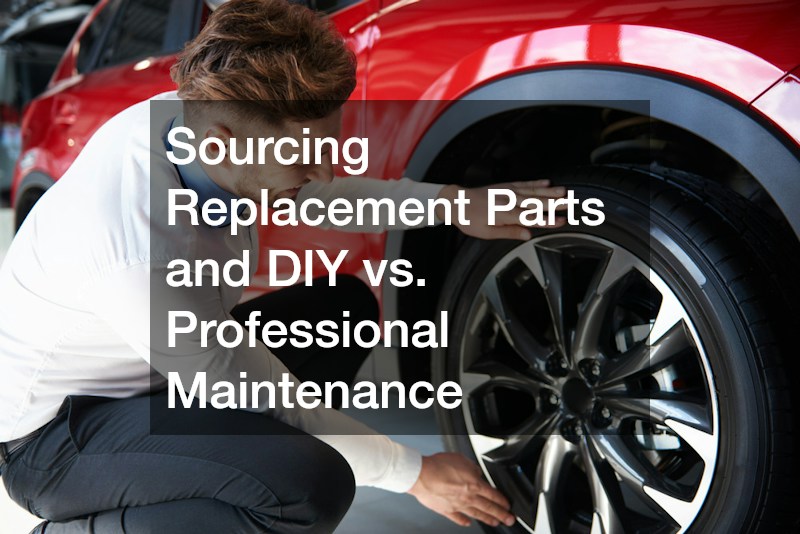
One of the greatest advantages of owning a popular, high-mileage vehicle model is the ready availability and low cost of replacement parts. Unlike brand-new vehicles that often rely on expensive proprietary dealership components, older models benefit from a robust aftermarket supply chain that keeps long-term maintenance costs surprisingly low.
Managing Maintenance Costs with Quality Aftermarket Components
For vehicle owners willing to tackle simple routine tasks, high-mileage ownership offers significant savings. Replacing air filters, cabin filters, spark plugs, windshield wipers, and basic sensors requires minimal tooling and basic instructions. Sourcing components through trusted local auto parts stores gives you quick access to quality OEM-equivalent or heavy-duty aftermarket parts while benefiting from behind-the-counter advice.
Delegating Complex Systems to Certified Technicians
However, knowing your limits is key to avoiding costly DIY mistakes that can jeopardize vehicle reliability. For specialized or labor-intensive repairs—such as timing belt replacements, transmission flushes, or complex electrical diagnosis—entrusting the work to reliable local auto repairs ensures the job is done safely, correctly, and with warranty protection.
-
DIY-Friendly Tasks: Air filters, cabin filters, wiper blades, light bulbs, basic battery swaps, and simple sensor replacements.
-
Professional-Level Tasks: Timing belts, water pumps, internal transmission servicing, steering racks, and electrical troubleshooting.
Financial Breakdown & Safety Nets: Budgeting for the Unexpected
The financial logic behind purchasing a high-mileage used car remains compelling. Depreciation slows down dramatically once a vehicle passes 100,000 miles, meaning you lose far less equity each year compared to driving a new car off the dealer lot. Additionally, lower vehicle values directly translate to reduced annual registration fees and significantly cheaper full-coverage auto insurance premiums.
Establishing an Emergency Repair Reserve Account
To enjoy these savings without stress, setting up an ongoing maintenance reserve fund is essential. A great rule of thumb is setting aside $1,000 to $1,500 in a dedicated account immediately upon purchase, followed by depositing $100 each month. This fund acts as a financial shock absorber when unexpected wear-and-tear items inevitably arise.
Securing Reliable Roadside Support and Towing Coverage
Enrolling in a roadside assistance plan or establishing contact with a reliable towing company gives you peace of mind and ensures that a minor mechanical issue on the road won’t turn into an expensive logistical nightmare.
The financial advantages of choosing a high-mileage vehicle include:
-
Minimal Depreciation Loss: The steepest portion of the depreciation curve is already behind the vehicle, preserving your initial capital.
-
Substantially Lower Insurance Premiums: Coverage costs drop significantly, saving you hundreds or thousands of dollars every year.
-
Zero Monthly Financing Strain: Buying outright or taking on a tiny loan eliminates monthly payment pressure from your household budget.
-
Predictable Maintenance Costs: Out-of-pocket repair bills—even when added up over a full year—are almost always far cheaper than twelve months of new car payments.
The Final Verdict on High-Mileage Used Cars in 2026

Buying a high-mileage pre-owned vehicle in today’s market is a practical strategy for beating rising living costs while maintaining reliable daily transportation. Modern automotive manufacturing means that a well-cared-for car with 150,000 miles often has years of dependable service left to give. Success comes down to looking past cosmetic flaws, insisting on detailed maintenance records, and investing in a thorough pre-purchase inspection.
By prioritizing vehicle condition over arbitrary mileage numbers, building a relationship with trusted local repair specialists, and maintaining a modest repair fund, you can drive a safe, comfortable, and reliable vehicle for a fraction of the cost of buying new. With the right approach, a high-mileage vehicle isn’t a compromise—it’s one of the smartest financial decisions you can make.